Introduction
Creating chicken breast recipes is one of the most effective ways to build healthy and versatile meals. Because chicken breast is naturally lean and high in protein, it fits easily into many nutritional lifestyles. Moreover, its mild taste allows it to blend with numerous seasonings, which makes it a reliable ingredient for both quick meals and more elaborate dishes. Although chicken breast can dry out when overcooked, simple techniques make the results consistently tender. Consequently, home cooks appreciate this ingredient for its balance of convenience, nutrition, and flavor.
According to verified nutritional data, 100 g of cooked chicken breast provides 165 calories, 31 g of protein, and only 3.6 g of fat (Healthline, 2024). This favorable profile explains why chicken breast recipes remain a staple for individuals looking to cook healthier meals without sacrificing taste or texture.
Table of Contents
Easy Weeknight Chicken Breast Dishes
On busy evenings, quick meals become essential. Fortunately, chicken breast recipes can be prepared in just minutes, which makes them ideal for simple weeknight dinners. Because chicken cooks rapidly when sliced thinly or cut into pieces, you can prepare satisfying dishes without spending too much time in the kitchen.
Popular quick ideas include:
- Herbed skillet chicken: Thinly sliced chicken sautéed with paprika, garlic powder, thyme, salt, and pepper.
- Grilled chicken salad bowl: Grilled chicken breast served over lettuce, cucumbers, tomatoes, and olive-oil dressing.
- Chicken wraps: Whole-grain tortillas filled with chicken strips, shredded vegetables, and yogurt herb sauce.
- Mediterranean sauté: Chicken cubes cooked with zucchini, bell peppers, olive oil, lemon, and herbs.
These options are simple, flavorful, and easily customized, which means they can fit different dietary preferences while maintaining high nutritional value.
Healthy and Light Chicken Breast Meal Ideas
When aiming for lighter meals, chicken breast recipes provide excellent nutritional benefits. Since chicken breast contains minimal fat and no carbohydrates, it supports balanced eating patterns while remaining satisfying. Additionally, pairing chicken with vegetables, legumes, or whole grains increases volume and fiber without excess calories.
Healthy and light ideas include:
- Steamed chicken and green vegetables: A low-fat method that preserves nutrients.
- Light chicken soup: A broth-based dish with vegetables and gently cooked chicken.
- Quinoa and chicken protein bowl: A nutritious meal mixing quinoa, roasted vegetables, and lemon dressing.
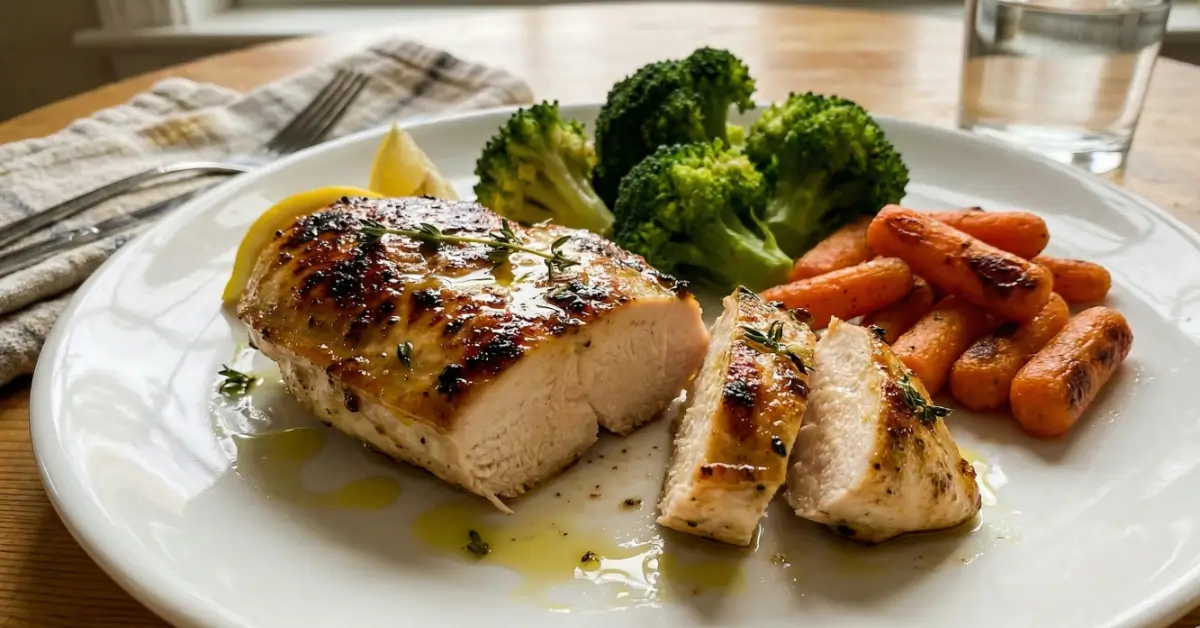
- Citrus-herb grilled chicken: Lemon, rosemary, garlic, and a small amount of olive oil for a bright, fresh flavor.
Because these dishes rely on clean ingredients and gentle cooking methods, they remain ideal for individuals looking to maintain energy while managing their calorie intake.
Flavor-Packed Marinades and Seasonings for Chicken Breasts
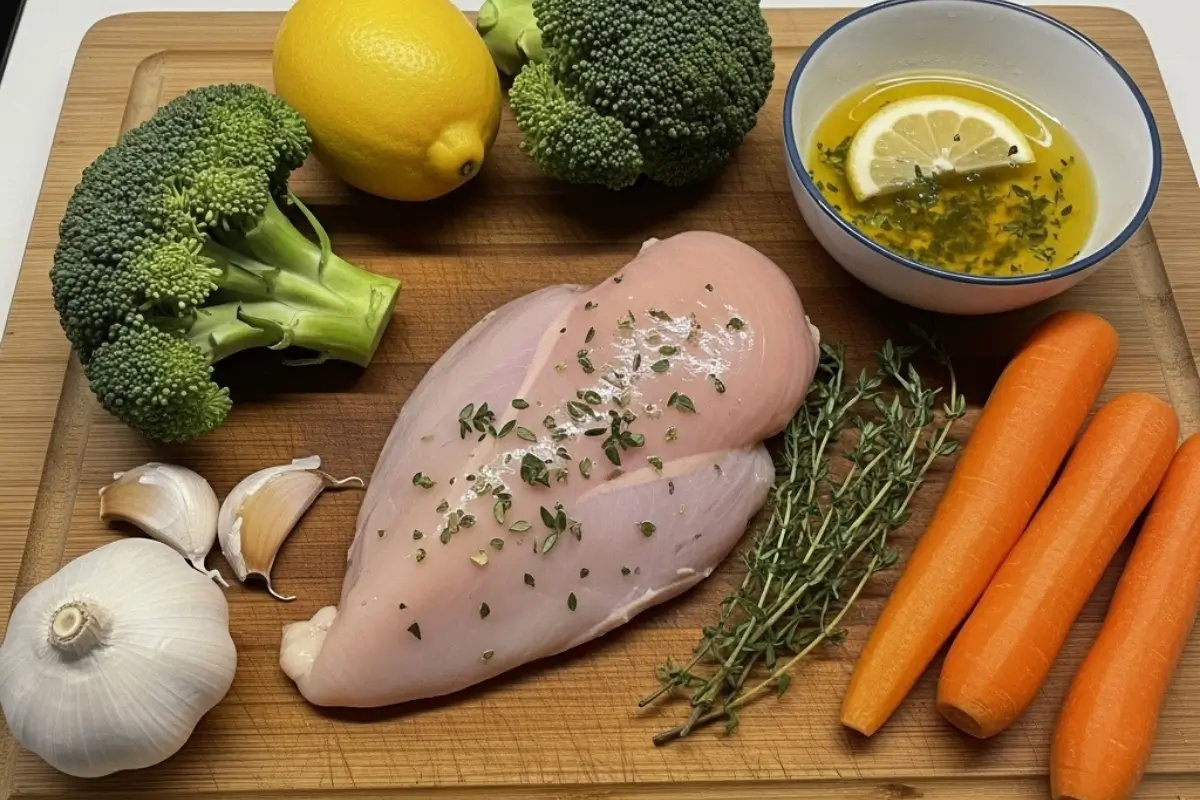
Chicken breast absorbs flavors extremely well, which means marinades and seasoning blends can completely transform simple meals. Since marinades also help tenderize the meat, they greatly improve the texture of chicken breast recipes.
Effective seasoning ideas include:
- Lemon-herb marinade: Lemon juice, zest, garlic, thyme, olive oil, salt, and pepper.
- Yogurt-spice marinade: Natural yogurt with paprika, cumin, coriander, and turmeric.
- Mediterranean dry rub: Garlic powder, oregano, basil, and black pepper.
- Asian-inspired (alcohol-free): Soy sauce, ginger, garlic, sesame oil, and a touch of honey.
Allowing the chicken to marinate for at least 30 minutes enhances flavor absorption. However, marinating for two to four hours provides even more tenderness and a deeper taste.
Quick Cooking Methods for Tender Chicken Breasts
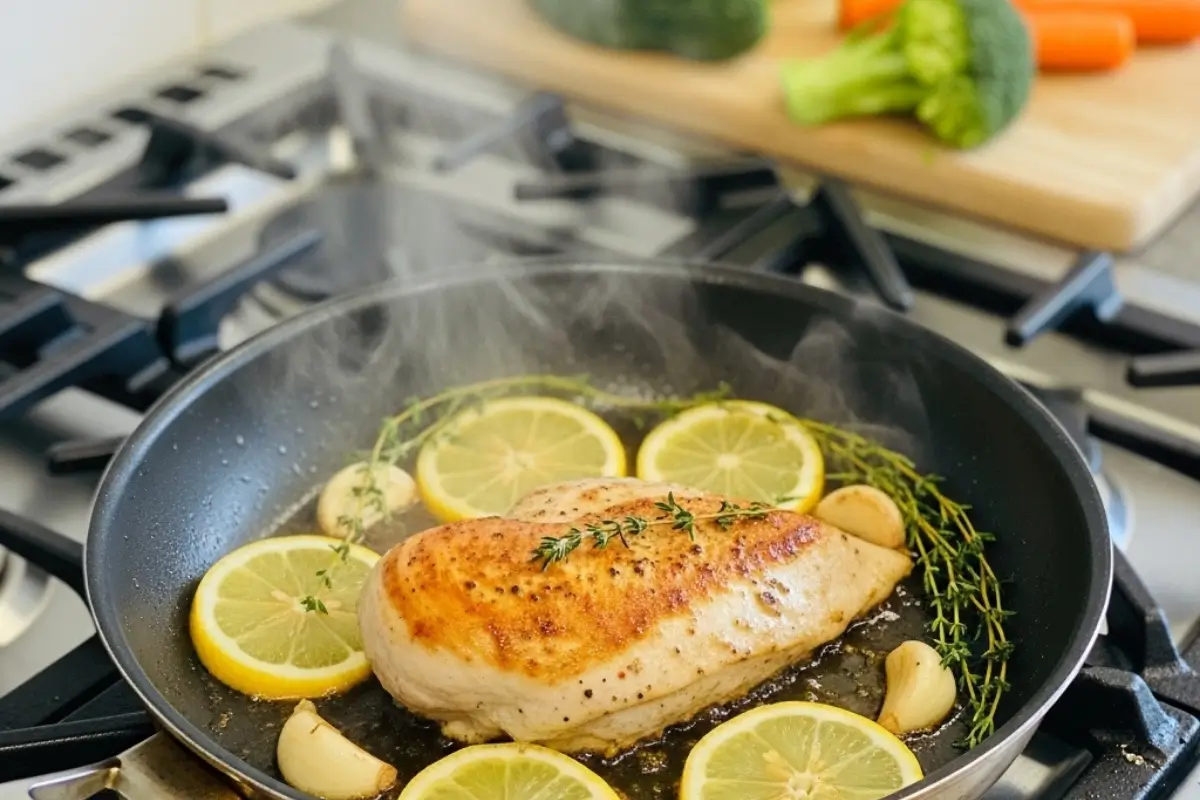
Achieving tenderness requires both proper timing and controlled heat. Because chicken breast is lean, it can dry out, yet quick cooking methods help preserve moisture.
Efficient methods include:
- Pan-searing: Thin cutlets cook in 8–12 minutes and develop a flavorful crust.
- Oven grilling: At 200–220°C (392–428°F), chicken cooks evenly in 15–20 minutes.
- Steaming: Produces moist, tender chicken in 15–18 minutes.
- Poaching: Simmering chicken gently in broth for 12–15 minutes ensures softness.
According to the USDA, chicken must reach an internal temperature of 165°F (74°C) for safety.
Source: https://www.fsis.usda.gov/food-safety/safe-temperature-chart
Because these techniques prevent dryness, they remain essential for producing consistently juicy chicken breast recipes.
Step-by-Step Cooking Guide for Perfect Chicken Breasts
Preparing and Seasoning the Chicken
Proper preparation greatly improves final results. Since chicken breasts often vary in thickness, flattening thicker areas ensures even cooking.
Essential steps include:
- Patting the chicken dry for better browning.
- Seasoning the chicken before cooking to enhance flavor.
- Flattening thick sections for even heat distribution.
- Marinating when possible for improved tenderness.
Because seasoning impacts both flavor and texture, careful preparation elevates every dish.
Cooking Techniques for Juicy Results
To maintain juiciness:
- Cook only to 165°F (74°C) and not beyond.
- Let the chicken rest for 3–5 minutes before slicing.
- Avoid high heat for extended periods.
- Use moist-heat techniques when necessary.
These techniques ensure that chicken breast recipes remain tender and satisfying.
Serving Suggestions and Meal Pairing Ideas
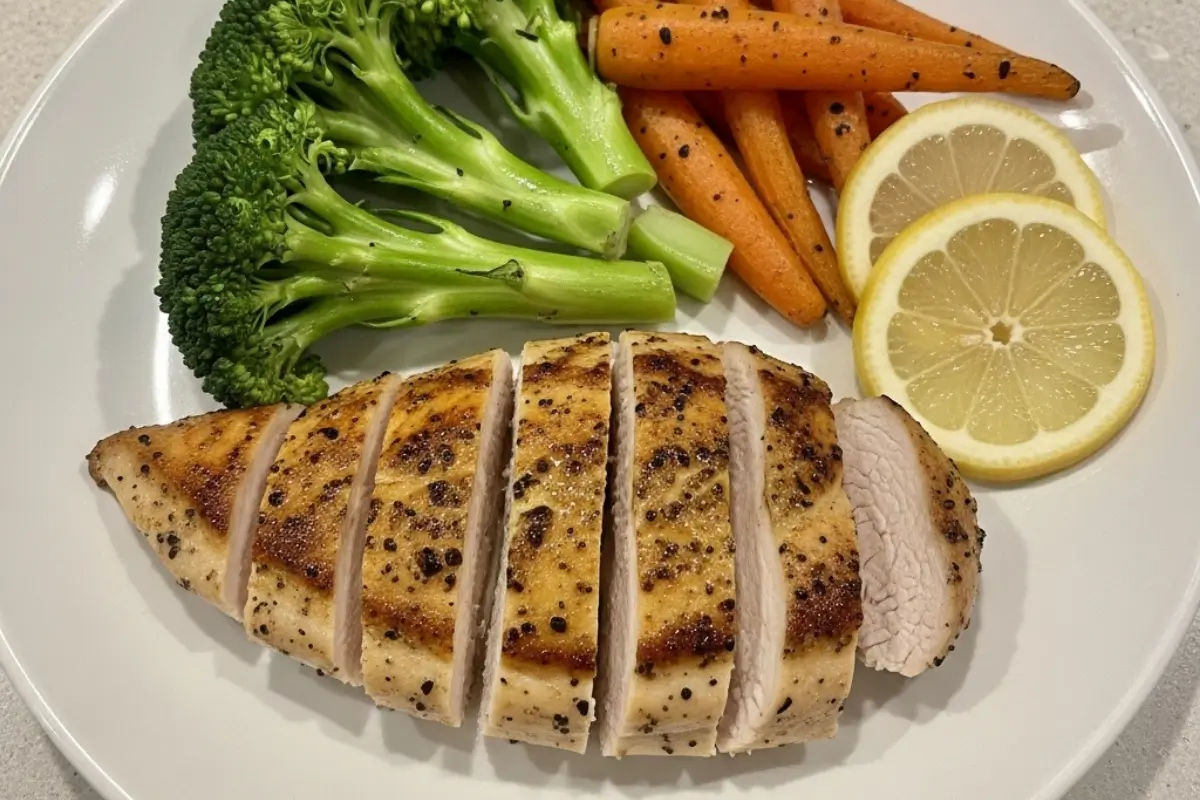
Pairing chicken breast with balanced sides creates complete meals that are nutritious and appealing. Moreover, because chicken adapts to different flavors, it fits easily into seasonal or cultural cooking styles.
Excellent pairings include:
- Vegetables: Broccoli, carrots, spinach, zucchini.
- Whole grains: Brown rice, quinoa, bulgur.
- Fresh salads: Leafy greens, tomatoes, cucumbers, herbs.
- Light sauces: Lemon dressing, yogurt-based sauces, vegetable purées.
Because these pairings add color, texture, and nutrients, they elevate even the simplest chicken breast recipes.
Storage and Leftover Tips
Proper storage maintains safety and preserves flavor. Since chicken can spoil quickly if mishandled, following safe guidelines is essential.
Best Practices for Refrigerating Cooked Chicken
Food-safety experts recommend:
- Refrigerating chicken within 2 hours of cooking.
Source: Texas A&M AgriLife - Storing in airtight containers to prevent contamination.
- Keeping the refrigerator at 4°C (40°F) or below.
Source: USDA - Using refrigerated chicken within 3–4 days.
Because refrigeration slows bacterial growth, these steps ensure safe consumption.
Safe Freezing and Reheating Methods
For longer storage:
- Freeze chicken in airtight bags or containers.
- Use frozen chicken within 3–4 months for the best quality (USDA FSIS).
- Reheat to 165°F (74°C) before eating (FoodSafety.gov).
Because proper reheating destroys harmful bacteria, these guidelines maintain both safety and quality.
Nutritious Benefits of Lean Chicken Breast Meals
Chicken breast offers several nutritional advantages. Since it is high in protein and low in fat, it supports muscle growth, weight balance, and stable energy levels. Moreover, its zero-carbohydrate content suits many dietary preferences, from low-calorie to high-protein eating patterns.
Verified nutritional values per 100 g cooked (Healthline, 2024):
- 165 calories
- 31 g protein
- 3.6 g fat
- 0 g carbohydrates
Because chicken breast recipes combine nutrient density with versatility, they play a central role in balanced diets.
Creative Variations for Everyday Chicken Dinners
Chicken breast adapts well to different cuisines, which means you can experiment with countless variations. Moreover, slight changes in spices, marinades, or cooking methods produce entirely new flavors.
Creative ideas include:
- Maghreb-inspired chicken with cumin, turmeric, paprika, and lemon.
- Asian-inspired chicken using soy sauce, ginger, garlic, and citrus.
- Mediterranean lemon-rosemary chicken baked with herbs.
- Warm quinoa and chicken salad with roasted vegetables and lemon dressing.
Because these variations are simple yet flavorful, they prevent routine meals from becoming repetitive.
Explore our Chicken Enchilada Burrito Guide and try the rich flavors of these Monterey Chicken Enchiladas for your next meal.
FAQ:
What is the tastiest way to cook a chicken breast?
One of the tastiest ways to cook chicken breast is to pan-sear it after marinating. A good marinade with lemon, garlic, herbs, and a small amount of olive oil adds depth, while high-heat searing creates a flavorful golden crust. Finishing the chicken over medium heat keeps the inside juicy, resulting in a balanced mix of tenderness and rich flavor.
What’s the best way to cook chicken breast so it doesn’t dry out?
The best method is to cook chicken breast just until it reaches 165°F (74°C). Using techniques like steaming, poaching, or baking at moderate heat prevents overcooking. Resting the chicken for 3–5 minutes after cooking also helps redistribute the juices, which keeps the meat moist and tender.
What can I make with chicken breasts easily?
Chicken breasts are ideal for quick and simple meals. You can easily make grilled chicken salads, wraps, stir-fries, sheet-pan dinners, or skillet dishes with vegetables and herbs. Because chicken cooks fast and pairs well with many flavors, it works perfectly for busy weeknights.
How to jazz up a chicken breast?
You can elevate chicken breast by using bold marinades, spice blends, and creative toppings. Try adding yogurt-based marinades, citrus herb rubs, or Asian-inspired seasonings. Additionally, pairing the chicken with fresh sauces like lemon-garlic yogurt, herb purées, or roasted vegetable toppings instantly boosts flavor and presentation.
Conclusion: Bringing Flavor and Simplicity to Your Kitchen
In conclusion, chicken breast recipes offer a powerful combination of nutrition, versatility, and convenience. Since chicken breast cooks quickly and absorbs flavors easily, it adapts to nearly every culinary style. With thoughtful preparation, balanced pairings, and proper storage, this lean protein becomes an essential tool for creating healthy, enjoyable meals. Ultimately, when cooked with care and creativity, chicken breast transforms simple ingredients into satisfying dishes that support both flavor and well-being.