Introduction
Preparing boneless skinless chicken breast recipes is an excellent way to enjoy nutritious, versatile, and convenient meals. Although chicken breast is naturally lean, it adapts beautifully to many cooking styles, which makes it ideal for daily meals. Moreover, since the meat is mild in flavor, it allows seasonings, herbs, and marinades to shine, resulting in dishes that feel fresh and satisfying. Additionally, boneless and skinless cuts cook quickly, so they are perfect for individuals seeking simple yet wholesome meals. As long as proper techniques are used, the chicken remains tender and flavorful, and it becomes a reliable protein source for balanced eating. Because of this flexibility, home cooks can create endless variations ranging from light lunches to hearty dinners.
Table of Contents
Easy Boneless Skinless Chicken Breast Recipes for Busy Days
When time is limited, boneless skinless chicken breast recipes offer practical solutions for fast and nourishing meals. Since these cuts cook quickly, they allow busy individuals to prepare complete dishes without losing quality. Furthermore, the ingredients required are often minimal, which simplifies planning and reduces effort in the kitchen.
Quick and easy ideas include:
- Skillet herb chicken prepared with paprika, garlic powder, thyme, and olive oil.
- Grilled chicken salad bowls combining chicken with fresh greens, cucumbers, and tomatoes.
- Simple chicken wraps featuring sliced chicken breast, shredded vegetables, and yogurt dressing.
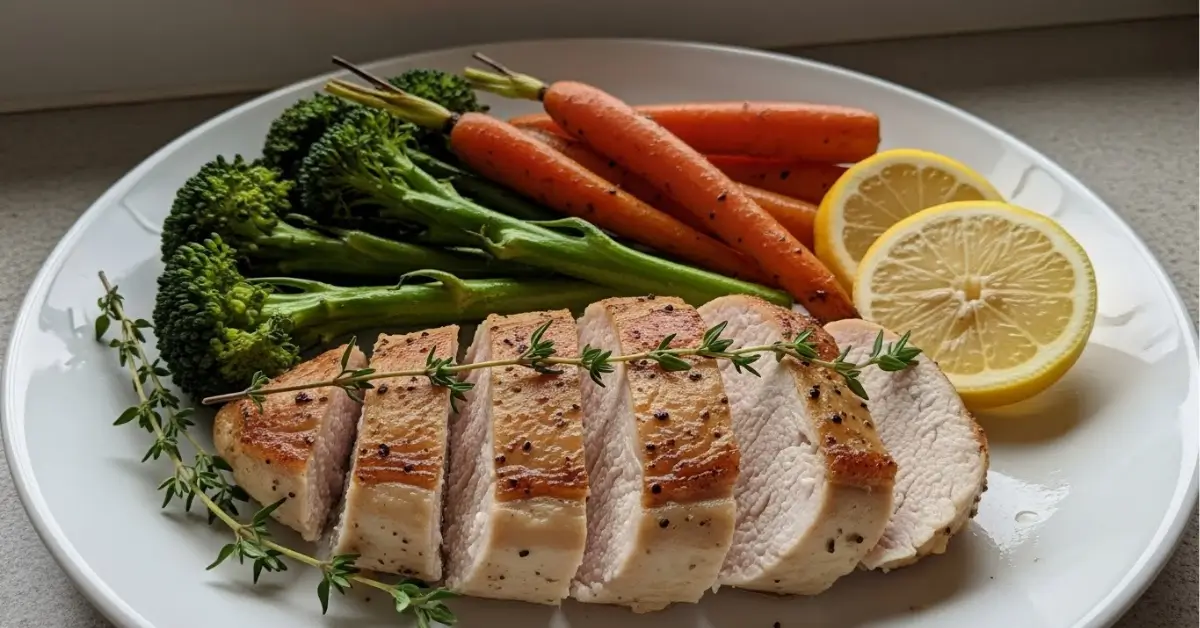
- One-pan chicken and vegetables cooked with carrots, broccoli, and mild spices.
Although these recipes are simple, they still deliver rich flavor through seasoning and technique. Consequently, they help maintain enjoyable meals throughout a busy week without sacrificing nutritional goals.
Light and Healthy Meal Ideas Using Boneless Skinless Chicken Breasts
For individuals seeking nutritious meals, boneless skinless chicken breast recipes provide an outstanding foundation due to their lean profile. Because chicken breast contains little fat and a high amount of protein, it supports balanced eating patterns and sustained energy. Moreover, pairing chicken with vegetables, grains, or legumes enhances nutritional value while keeping the meal light.
Healthy meal ideas include:
- Steamed chicken with mixed vegetables, which maintains moisture and preserves nutrients.
- Chicken and vegetable soup, offering warmth, comfort, and low calories.
- Quinoa chicken bowls, combining protein, fiber, and vitamins for a balanced meal.
- Citrus-herb grilled chicken, where lemon, rosemary, and garlic add brightness without heaviness.
Although these meals are simple, they remain satisfying and full of flavor. Additionally, they fit seamlessly into meal-prep routines, which helps individuals maintain consistent healthy habits.
Flavor Boosters, Marinades, and Seasonings for Chicken Breast Dishes
To elevate boneless skinless chicken breast recipes, marinades and seasoning blends play a crucial role. Because chicken breast naturally absorbs flavors well, it benefits greatly from herbs, spices, and citrus elements. Moreover, marinades add tenderness, which contributes to a pleasant texture during cooking.
Effective flavor boosters include:
- Lemon herb marinade: lemon juice, zest, garlic, thyme, and black pepper.
- Yogurt spice blend: yogurt mixed with paprika, cumin, coriander, and turmeric.
- Mediterranean rub: oregano, basil, garlic powder, olive oil, and sea salt.
- Mild soy-citrus marinade (alcohol-free): low-sodium soy sauce, fresh ginger, garlic, and lemon.
Although each marinade is unique, they all rely on balanced acidity, aromatics, and herbs. Additionally, resting the chicken for at least 30 minutes enhances flavor absorption and improves tenderness.
Step-by-Step Guide to Cooking Tender Boneless Skinless Chicken Breasts
Cooking chicken breast correctly ensures consistently moist and delicious results. Because boneless cuts can dry out quickly, proper preparation and technique are essential. Moreover, following a structured approach reduces errors and guarantees dependable meals.
Preparing and Seasoning the Chicken
Preparation is the foundation of successful boneless skinless chicken breast recipes. Although the process is simple, it greatly influences texture and flavor.
Steps include:
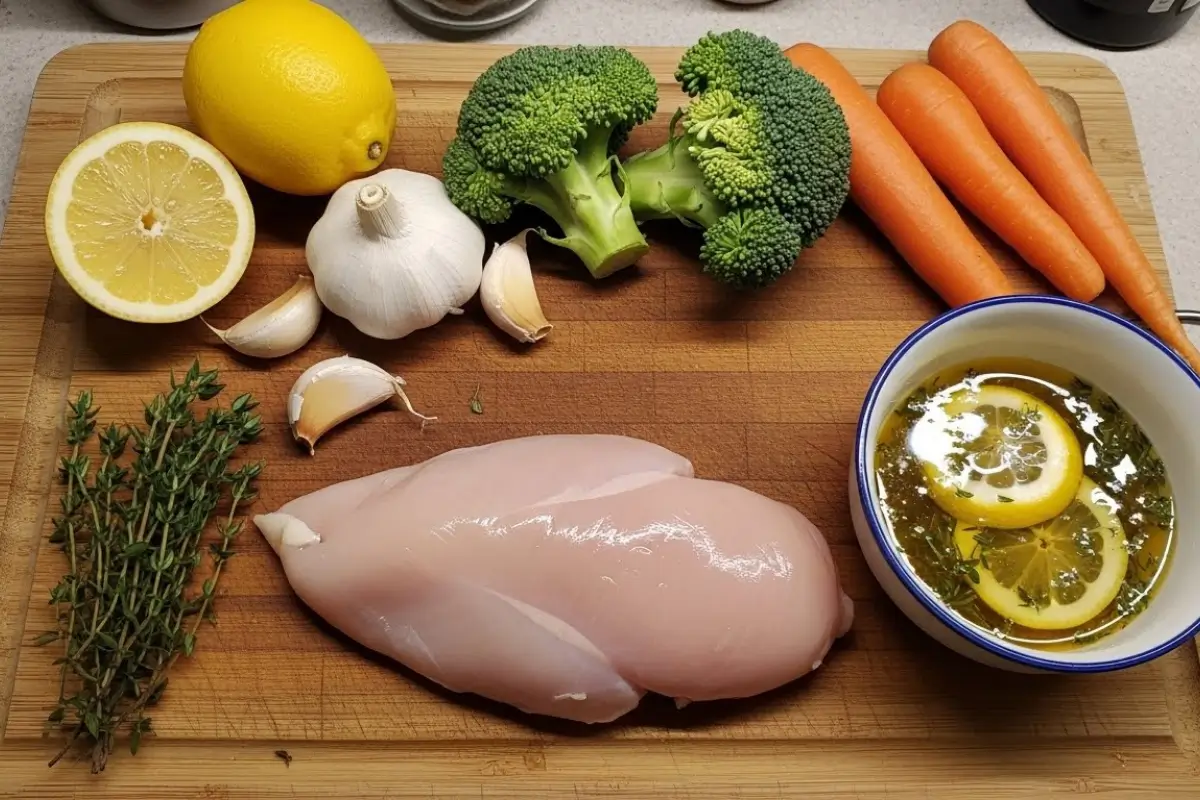
- Patting the chicken dry to promote browning and prevent steaming.
- Flattening thick sections to achieve even cooking and avoid dryness.
- Seasoning generously with salt, pepper, herbs, and chosen spices.
- Marinating the chicken when time allows, since acidity and spices improve tenderness.
Because seasoning penetrates more effectively when applied early, this step enhances both taste and aroma. Additionally, proper trimming and flattening help the chicken cook uniformly.
Cooking Techniques for Moist and Flavorful Results
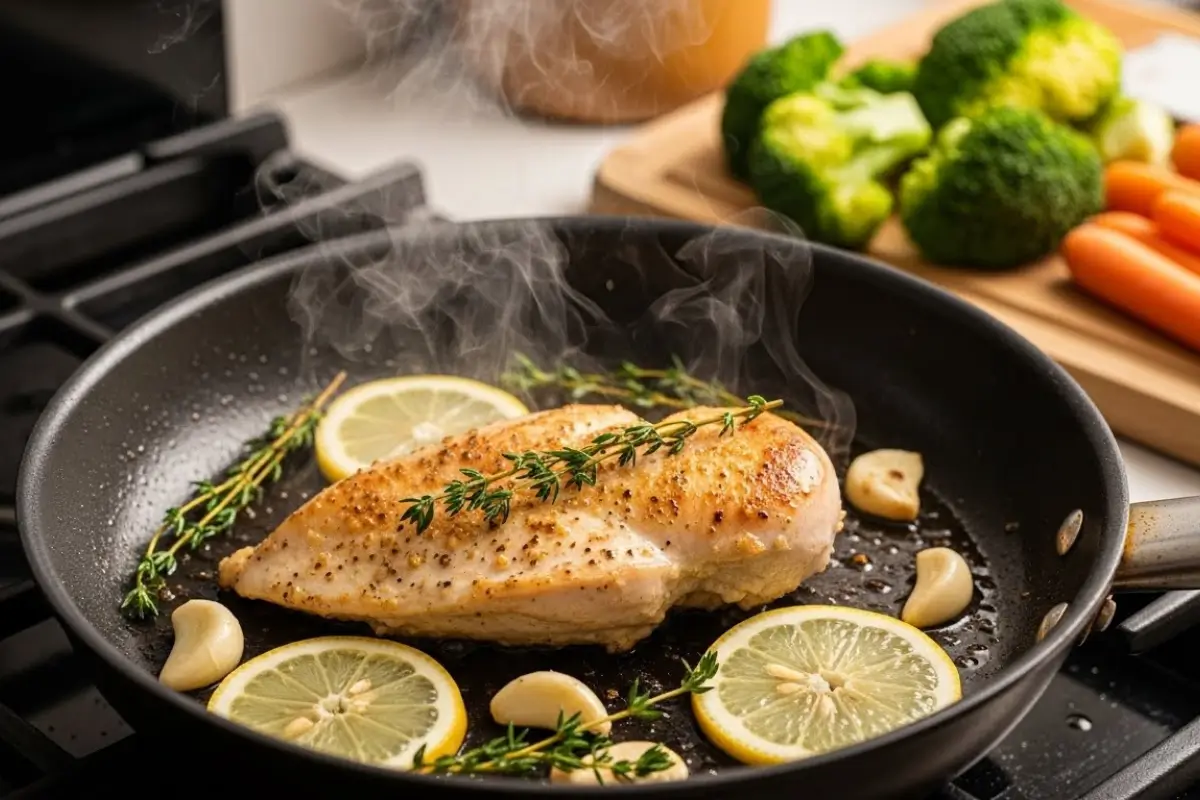
To prevent dryness, cooking methods must emphasize moisture retention and temperature control. Although chicken breast cooks quickly, achieving the perfect internal temperature is essential.
Effective techniques include:
- Pan-searing for a golden crust while maintaining a juicy interior.
- Baking at moderate heat to preserve tenderness and prevent overcooking.
- Steaming for the moistest texture with minimal added fat.
- Poaching in broth for gentle cooking and enhanced flavor absorption.
Although each method differs in intensity, all aim to reach the recommended internal temperature of 165°F (74°C) without exceeding it. Additionally, resting the chicken before slicing allows juices to settle, resulting in a more tender bite.
Serving Suggestions, Pairings, and Meal Presentation Tips
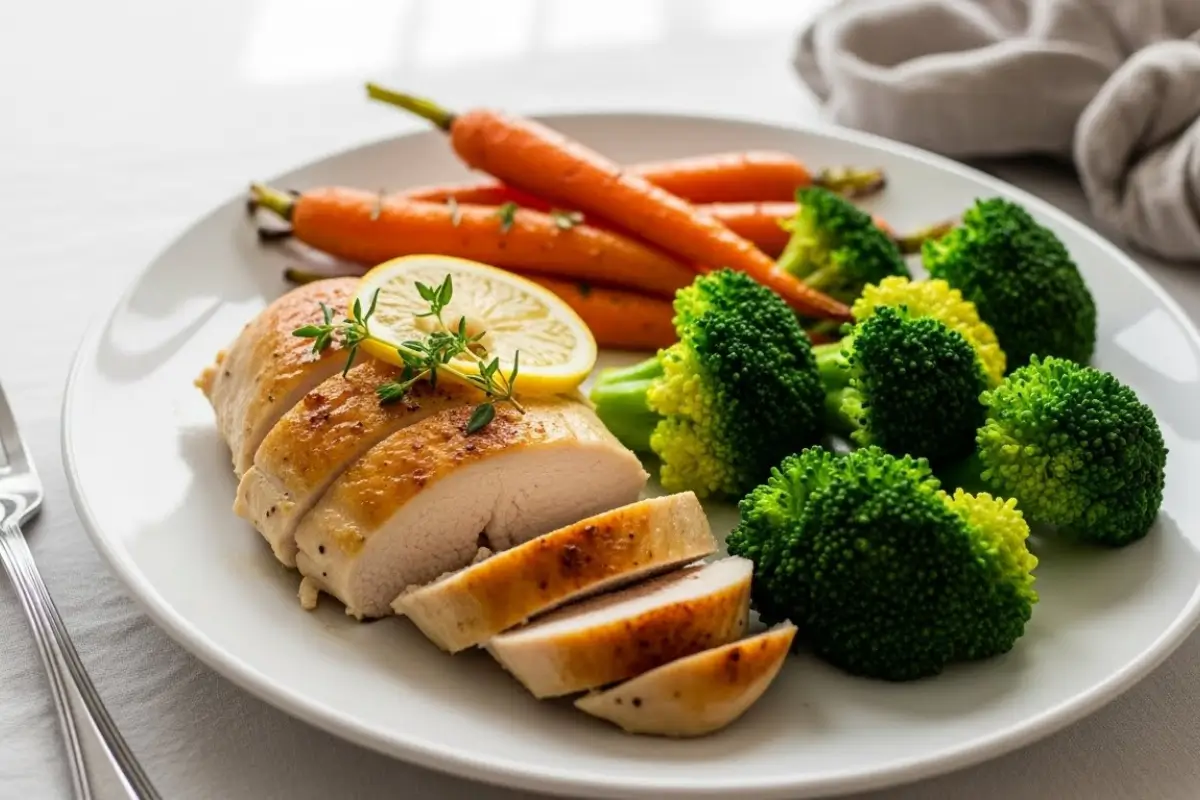
A well-cooked chicken breast becomes even more appealing when paired with the right sides. Because boneless skinless chicken breast recipes are mild, they work well with vibrant vegetables, whole grains, and light sauces. Moreover, thoughtful presentation increases enjoyment and encourages healthier eating.
Recommended pairings include:
- Roasted or steamed vegetables such as broccoli, carrots, or green beans.
- Whole grains like quinoa, brown rice, or couscous.
- Fresh salads featuring spinach, cucumbers, tomatoes, and herbs.
- Light sauces made from yogurt, lemon, or blended vegetables.
Although presentation may seem minor, arranging ingredients neatly and adding color through herbs or lemon slices significantly enhances visual appeal. Additionally, balanced plating improves satisfaction by creating a complete, harmonious meal.
Storage and Leftover Guidelines for Cooked Chicken Breasts
Proper storage ensures safety, freshness, and convenience when preparing boneless skinless chicken breast recipes ahead of time. Because chicken is sensitive to temperature changes, following recommended practices helps maintain quality. Moreover, correct storage allows leftovers to be reused efficiently in salads, wraps, and bowls.
Refrigeration Best Practices for Optimal Freshnes
Refrigerating cooked chicken properly reduces the risk of spoilage and maintains moisture.
Guidelines include:
- Cooling and refrigerating within two hours of cooking.
- Storing in airtight containers to prevent cross-contamination.
- Keeping refrigerator temperature at or below 40°F (4°C).
- Consuming refrigerated chicken within three to four days for best quality.
Although leftovers remain safe for a short period, proper storage significantly enhances freshness. Additionally, organizing containers helps streamline meal planning throughout the week.
Freezing and Reheating Methods for Safe Meal Pre
Freezing allows long-term storage while maintaining nutritional value. Because boneless chicken breast freezes well, it supports efficient meal planning.
Freezing tips include:
- Wrapping the chicken tightly in freezer-safe containers or bags.
- Labeling with dates to ensure timely use.
- Using frozen chicken within three to four months for best texture.
- Reheating to 165°F (74°C) to maintain safety and flavor.
Although reheating may slightly alter texture, gentle warming methods preserve moisture. Additionally, slicing chicken before freezing allows easier portioning later.
Add a creamy twist to dinner with Sour Cream Cream of Chicken Enchiladas while exploring the slow-cooked comfort of Crock-Pot Chicken Enchiladas
FAQ:
What’s the best way to cook a skinless boneless chicken breast?
The best method is pan-searing followed by gentle finishing. Start by searing the chicken breast in a hot skillet to create a flavorful golden crust, then reduce the heat and cook until it reaches 165°F (74°C). This method delivers excellent flavor and tenderness, especially when paired with a simple marinade or spice blend.
What is the best way to cook skinless chicken breast without drying it out?
To prevent dryness, cook chicken breast low and slow or with moist-heat techniques. Baking at moderate heat, steaming, or poaching helps retain moisture. Additionally, letting the chicken rest for 3–5 minutes after cooking allows juices to redistribute, ensuring a tender and juicy result.
Is it better to bake boneless skinless chicken at 350 or 400?
For ideal texture, 350°F offers gentle, even cooking, which helps keep the chicken moist. However, 400°F creates a faster cook with a slightly crispier exterior. Both temperatures work well, but 350°F is safer for preventing dryness, while 400°F is best if you prefer a browned surface.
What do you season chicken breasts with?
Seasoning depends on the flavor profile you want, but versatile options include:
Salt, pepper, garlic powder, and paprika
Lemon zest with thyme or rosemary
Cumin, coriander, and turmeric for warm spice notes
Soy-citrus blends with ginger and garlic for a bright, savory taste
These combinations enhance boneless skinless chicken breast recipes while keeping ingredients simple and wholesome.
Conclusion: Bringing Simplicity and Flavor to Everyday Cooking
In conclusion, boneless skinless chicken breast recipes provide a reliable foundation for simple, healthy, and flavorful meals. Because chicken breast adapts easily to various techniques, it suits both beginners and experienced cooks. Moreover, with thoughtful preparation, correct cooking methods, and balanced pairings, each dish can be both satisfying and nutritious. By incorporating marinades, proper storage practices, and diverse serving options, home cooks can enjoy consistently delicious meals throughout the week. Ultimately, these versatile recipes bring convenience, creativity, and enjoyment to everyday cooking.